The Ruination

After the Fall

Between shattered sanctity and the incomprehensible breaking through.

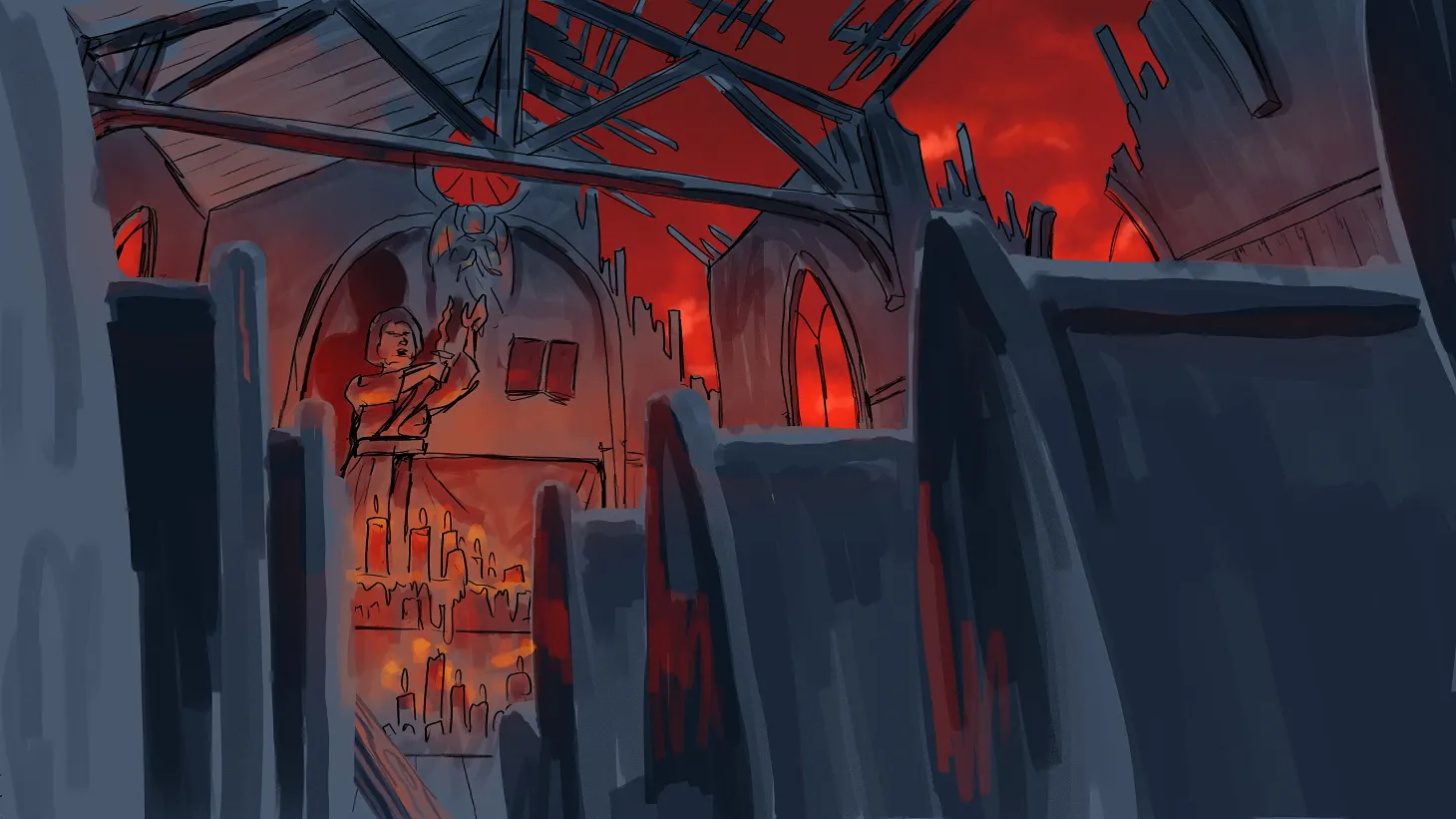
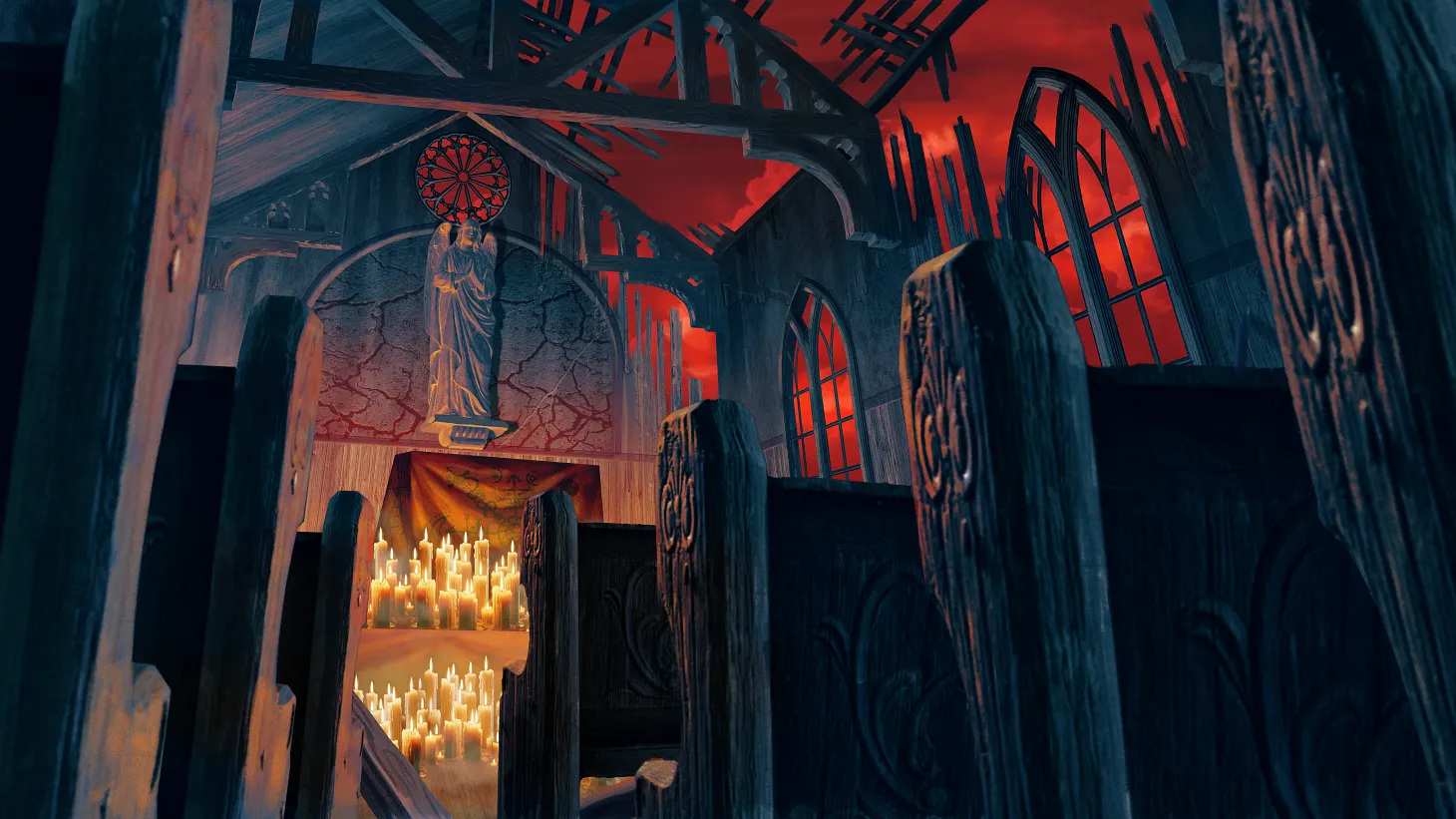
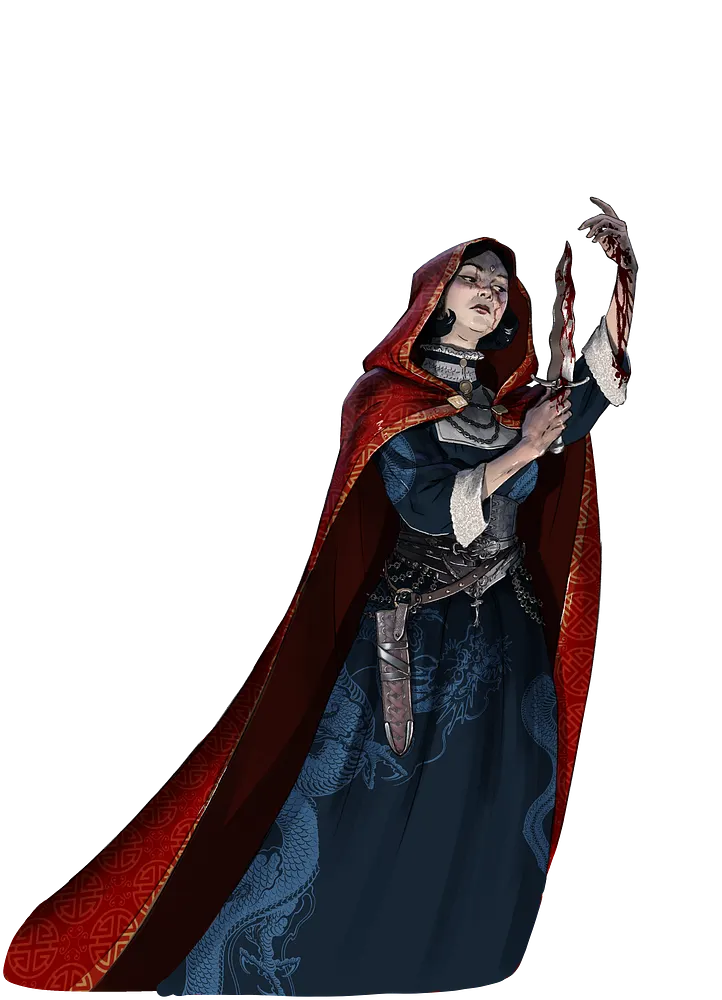
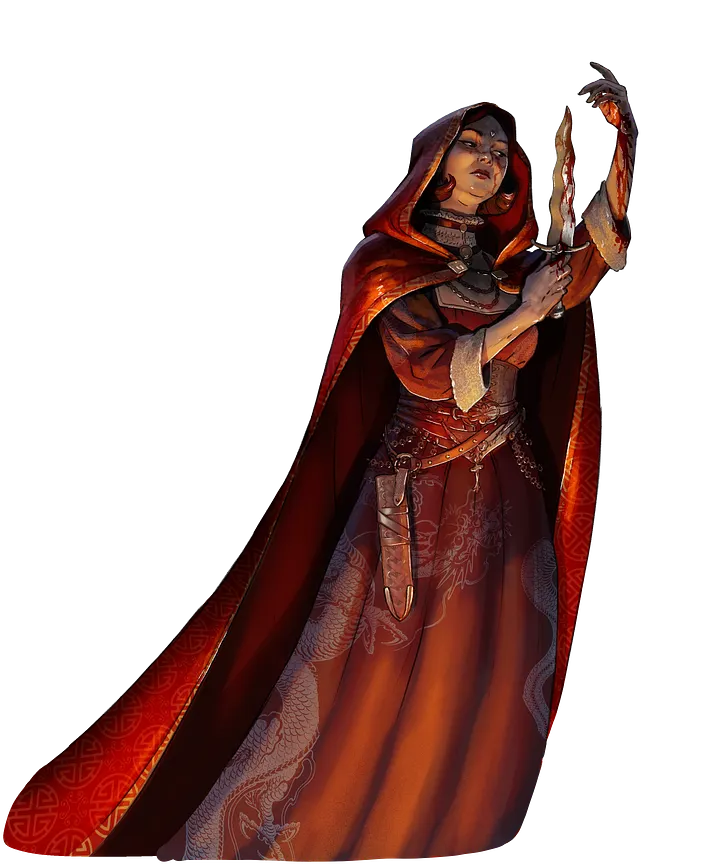
The viewer is positioned crouched between old pews, as if hiding and witnessing something forbidden. This angle creates vulnerability and complicity. At the center of the scene, Yun focuses on her invocation, unaware of our presence — which heightens the tension and sense of imminent danger.

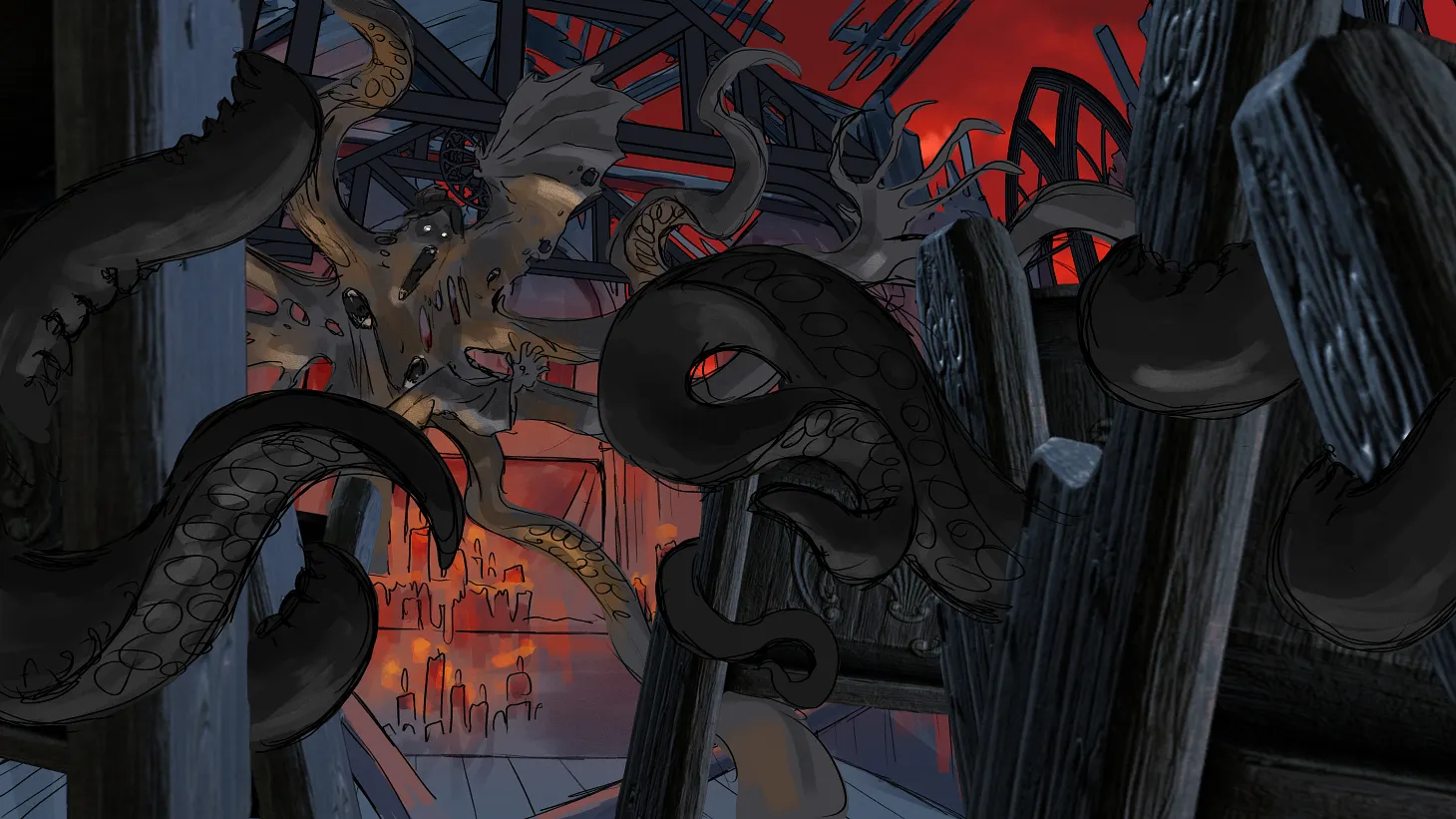
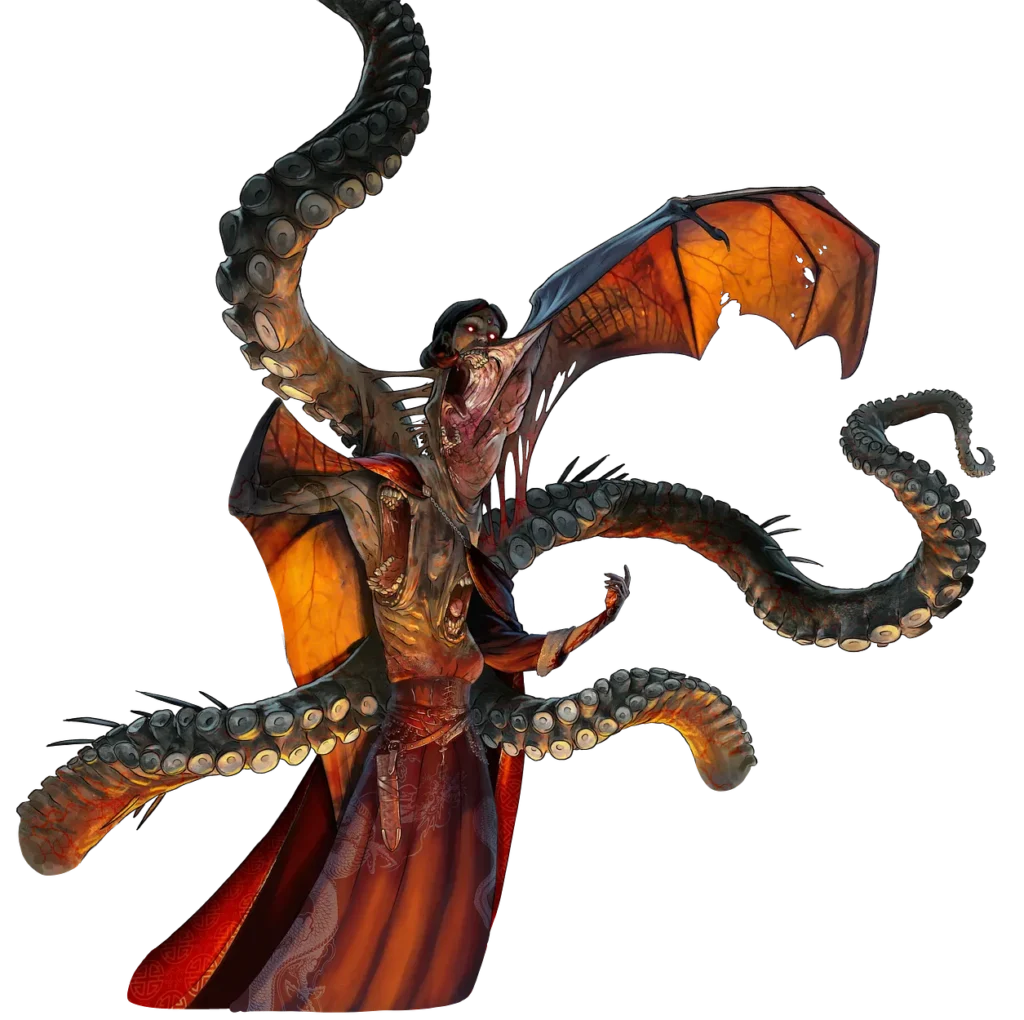
In the second variant, I embraced full cosmic horror, heavily inspired by Lovecraft, Stephen King’s IT, and films like Event Horizon, The Color Out of Space, and The Thing. Yun’s transformation was never meant to follow the trope of flesh tearing through fabric. Instead, it was imagined as something so incomprehensible that even her clothes become part of the creature.

// Illustration created for Tales from the Elsewhere, built around color contrast, atmosphere, and cosmic horror — exploring transformation, ritual, and narrative perspective.
“Horror begins when the familiar survives inside the unthinkable.”

In the second variant, I embraced full cosmic horror, heavily inspired by Lovecraft, Stephen King’s IT, and films like Event Horizon, The Color Out of Space, and The Thing. Yun’s transformation was never meant to follow the trope of flesh tearing through fabric. Instead, it was imagined as something so incomprehensible that even her clothes become part of the creature.
Her humanity persists in fragments — her face glimpsed through distortion, parts of her body still recognizable — as if we were witnessing a single frozen frame of a transformation mid-shift. This ambiguity was essential: the recognizable within the impossible is where horror becomes personal.

The final piece doesn’t simply depict horror; it suggests its threshold. A place between ritualistic beauty and cosmic monstrosity, reminding us that true terror lives at the boundary between what we still recognize and what lies forever beyond comprehension.